Regulatory Frameworks Shaping Fund Transfers and Feature Unlocks in Sanctioned Mobile Betting Systems
Paul Schröder · Nov 24, 2026
Regulatory Frameworks Shaping Fund Transfers and Feature Unlocks in Sanctioned Mobile Betting Systems
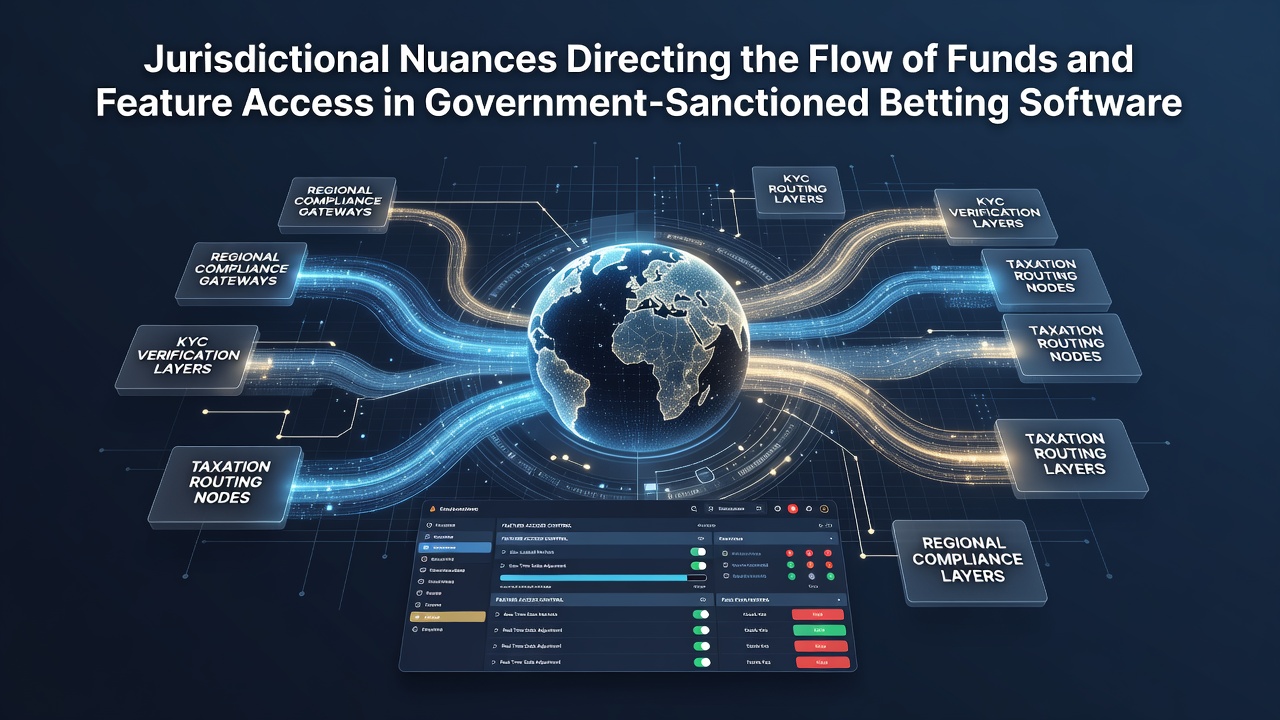
Regulatory boundaries across different regions establish distinct pathways for how funds move into and out of government-sanctioned betting software while also determining which features become available to users at any given time, and observers note that these rules often intersect with licensing requirements in ways that create noticeable variations from one jurisdiction to another. Data from state gaming agencies shows that payment methods permitted in one area may face restrictions elsewhere because of local banking laws and anti-money laundering standards, which in turn affects deposit speeds and withdrawal processing timelines across approved platforms.
Payment Routing Under Jurisdictional Oversight
State-level regulations dictate acceptable funding sources and transaction limits in licensed mobile applications, so users in states with strict e-wallet rules encounter fewer options compared to regions that allow broader credit card integration, while figures from regulatory reports indicate that these differences lead operators to customize their banking gateways accordingly. In November 2026 several jurisdictions updated their compliance checklists to require real-time verification of payment origins, and this adjustment has prompted software developers to embed additional authentication layers that slow initial deposits yet improve security across the board. Industry analyses reveal that platforms operating in multiple markets must maintain separate transaction ledgers to satisfy each regulator's reporting demands, which creates operational complexity but ensures that funds flow only through channels that meet local standards.
Feature Availability Tied to Local Mandates
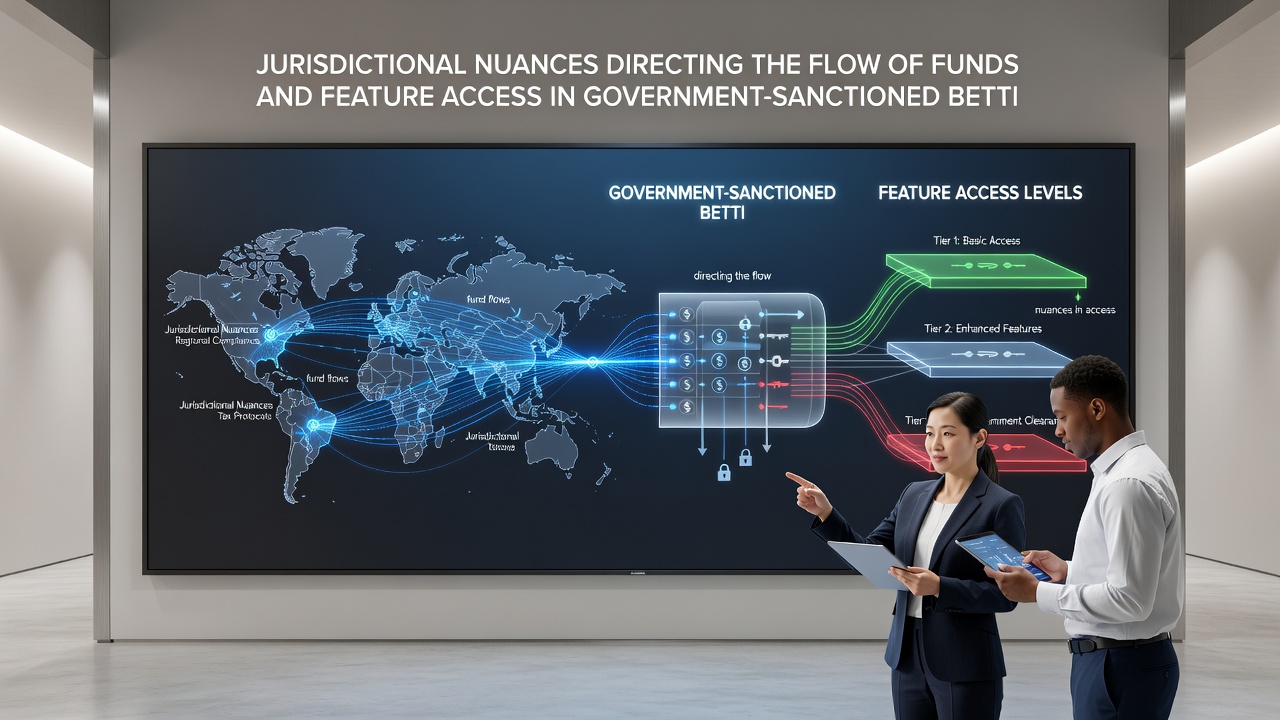
Access to live betting modules, bonus structures, and instant cash-out tools depends heavily on the specific rules enforced within each licensing territory, so applications approved in one state may disable certain real-time adjustments for users located in neighboring regions where those options remain restricted. Researchers at academic institutions studying digital gambling markets have documented how these feature gates arise from consumer protection statutes that limit promotional timing and volatility exposure, and the resulting software configurations force developers to build dynamic menus that activate or hide elements based on detected user location. Data collected by trade associations shows that synchronization between live event odds and funding choices varies significantly when cross-border play is involved because regulators require different refresh rates and settlement protocols to prevent unauthorized activity.
Cross-Region Comparisons and Operational Adjustments
Operators licensed in both North American and European markets must reconcile conflicting requirements on transaction reporting and feature rollout, and this reconciliation often results in region-specific application versions that route funds through different processors while unlocking or locking interactive elements accordingly. According to reports issued by the Alcohol and Gaming Commission of Ontario, Canadian provincial rules emphasize slower withdrawal windows tied to verification thresholds, whereas certain U.S. state frameworks prioritize rapid feature access once initial deposits clear, creating measurable differences in user transaction patterns. Studies published by university research centers tracking mobile wagering trends have identified correlations between these regulatory timelines and the frequency of bonus redemptions, noting that platforms adjust their incentive delivery schedules to align with the strictest applicable rules in any given territory.
Technology Adaptations for Compliance
Software teams incorporate geofencing and dynamic rule engines that detect a user's jurisdiction at login and then apply the corresponding payment filters and feature permissions without requiring separate downloads, and this approach allows single codebases to serve diverse regulatory environments while maintaining audit trails that satisfy multiple oversight bodies. Evidence from platform performance reviews indicates that such adaptations reduce compliance violations yet introduce latency during peak live events when simultaneous verification calls occur across several state databases. Those who have examined aggregated transaction logs observe that deposit method preferences shift noticeably when new rules take effect, as users gravitate toward the options that remain fastest under the updated constraints.
Conclusion
Jurisdictional nuances continue to direct both the movement of funds and the availability of features inside government-sanctioned betting software through layered compliance mechanisms that evolve with legislative updates, and the patterns documented by regulatory agencies and academic researchers demonstrate consistent differences in transaction speeds and tool accessibility from one market to the next. As licensing frameworks expand into additional territories, operators maintain flexible architectures that accommodate these variations while preserving the core functionality required for legal operation across borders.